 Skip to content


I'll admit it. I had never heard of an AI worm until our CFO was in town and brought it up in a conversation.
I spend every day in the technology industry, and this one stopped me in my tracks.
That doesn't happen very often.
The more I learned, the more unsettling it became. AI helps businesses become more productive, write faster, analyze data, and automate work that used to take hours. Those benefits are real. Unfortunately, cybercriminals are finding ways to weaponize the same technology.
What exactly is an AI worm?
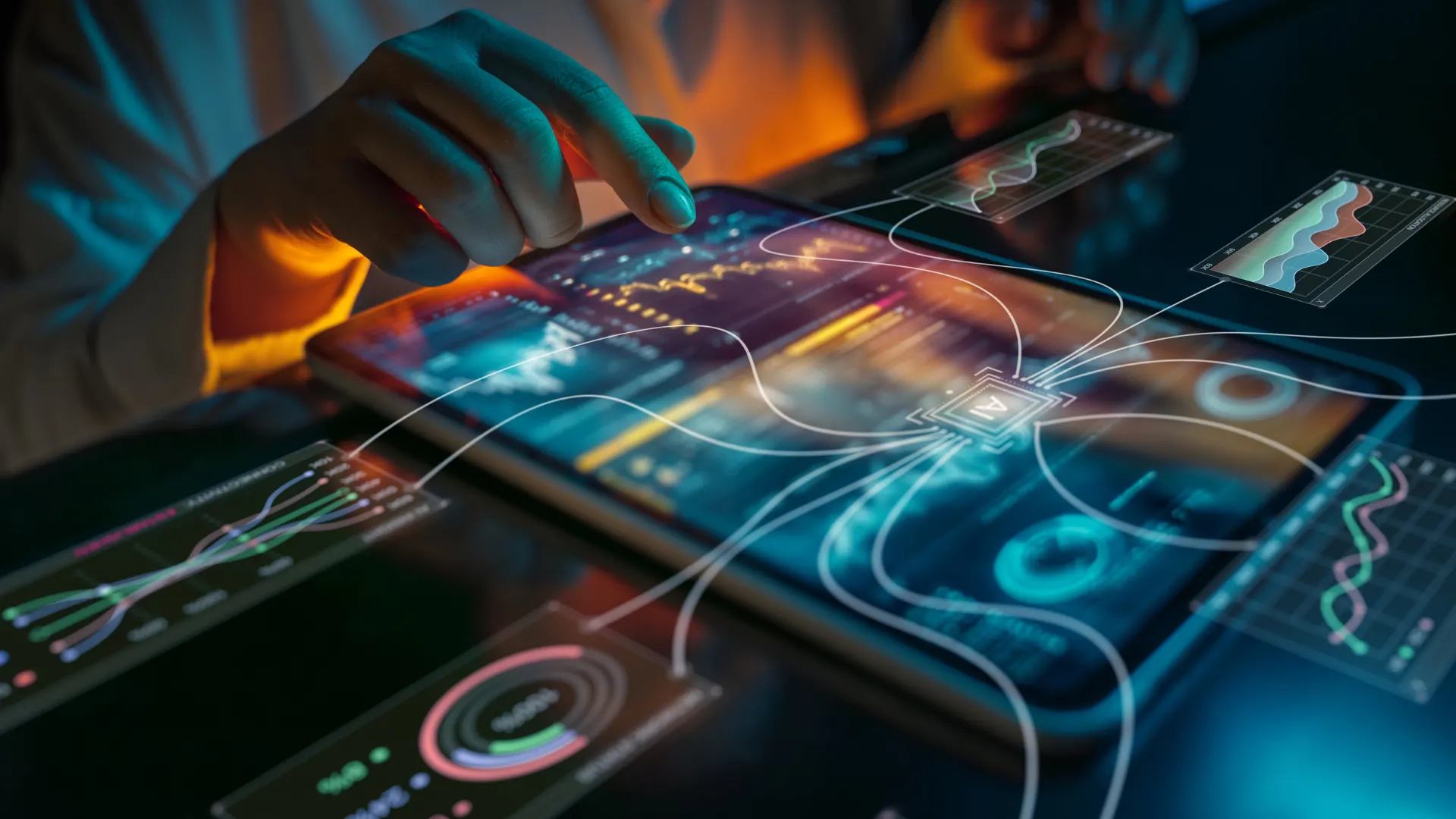
Think of a traditional computer worm. It spreads from system to system without anyone intentionally sending it. An AI worm takes that idea a step further. Instead of simply infecting computers, it can target AI systems and the sensitive information they have access to. If an AI tool has access to emails, documents, customer records, contracts, financial information, or internal knowledge, an AI worm could potentially manipulate the model into exposing that information or use it to spread further.
That should make every business owner stop and think.
Most companies are rushing to adopt AI. Employees are connecting AI tools to email, cloud storage, CRM systems, Microsoft 365, file shares, and internal documentation. The productivity gains are incredible, but every new connection creates another opportunity for your data to be exposed if it isn't properly secured.
This is why I keep saying technology isn't the risk. Visibility is.
You cannot protect data if you don't know where it lives, who has access to it, or what sensitive information is already exposed. Many organizations are surprised to discover confidential files that are publicly accessible, overshared, or available to people who no longer need access.
That is exactly why we offer our Data Exposure Assessment.
We help businesses identify where sensitive information is stored, determine who can access it, uncover unnecessary exposure, and reduce the risk before it becomes a security incident. It gives leadership a much clearer picture of what their AI tools, employees, vendors, and even potential attackers could see.
Cybersecurity has never been about creating fear. It's about understanding your risks so you can make smart business decisions.
AI isn't going away. It will become part of almost every business over the next few years. The companies that win will be the ones that embrace it while putting the right safeguards in place.
If you're curious about your organization's data exposure or want to understand how AI changes your security risks, send me a DM. I'd be happy to walk you through what we're seeing and how our Data Exposure Assessment can help you stay ahead of it.